Understanding Seasickness on Cruises
Seasickness can be a daunting thought for many cruise travelers. From our experience cruising, we’ve found that understanding the causes of seasickness is the first step in combating it. Essentially, seasickness is a form of motion sickness that occurs when your inner ear senses motion that your eyes can’t see. This mismatch can lead to dizziness, nausea, and vomiting. While it sounds unpleasant, the good news is that there are plenty of ways to prevent it. In fact, in this article, you’ll find our best cruise seasickness tips to help you combat this vacation spoiler.
Prevention is key, and this is where our first-time cruiser tips come into play. By focusing on preparation and choosing the right strategies, you can drastically reduce the chances of feeling unwell on your cruise. From selecting the right cabin to having the right remedies on hand, these practical tips will set you on the right path.
What surprised us most was how small adjustments can make a big impact. Understanding the layout of the ship and how your body reacts to motion can help you enjoy your cruise without the discomfort of seasickness. Let’s dive into the specifics of these cruise seasickness tips.
- Choose a mid-ship cabin to minimize motion.
- Use medications like Bonine for non-drowsy relief.
- Stay hydrated and avoid heavy meals.
- Try natural remedies like ginger and peppermint.
- Consult with a doctor if symptoms persist.

Seasickness on a cruise is best prevented by choosing a mid-ship cabin, using medications like Bonine, and staying hydrated. This approach is ideal for first-time cruisers who are worried about motion sickness, ensuring a comfortable and enjoyable cruise experience.
How Can Medication Help Prevent Seasickness?
Medication can be a lifesaver for those prone to seasickness. Bonine, for example, is a popular choice among cruisers for its non-drowsy motion sickness relief. These chewable tablets offer 24-hour protection, allowing you to enjoy your cruise without worrying about nausea. After sailing many miles, we can vouch for Bonine’s effectiveness in keeping seasickness at bay.
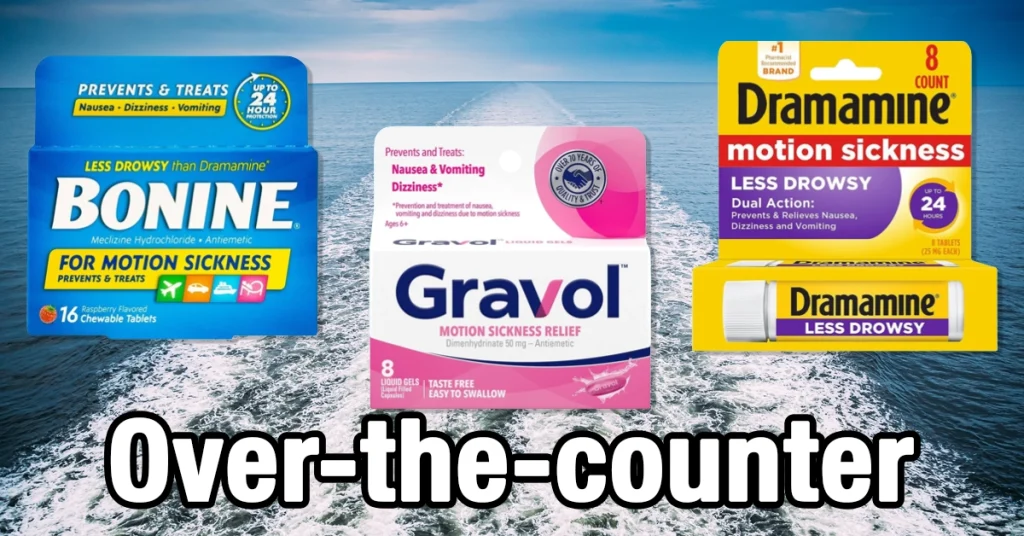
Before setting sail, it’s a good idea to consult with your doctor about the best medication options for you. This matters because some medications can interact with other prescriptions you may be taking. A healthcare professional can help tailor the best plan for your seasickness prevention, ensuring you have a smooth journey.
It’s also worth noting that timing is crucial. Taking your medication before you start feeling sick is essential for it to work effectively. This proactive step can make all the difference in your cruise experience.
Pro Tip: Always carry your motion sickness medication in your carry-on luggage, so it’s easily accessible when you need it the most.
What Are the Best Natural Remedies for Seasickness?
If you’re looking for a more natural approach, ginger and peppermint are excellent options. Ginger, in particular, is a well-known remedy for nausea and can be taken in various forms such as ginger tea, ginger ale, or even ginger candies. From our experience, sipping ginger tea has provided a soothing effect during rocky seas.

Another effective natural remedy is the use of acupressure bands. These bands apply pressure to specific points on your wrist, which can help alleviate nausea. They’re easy to wear and can be especially helpful if you’re sensitive to medications. We’ve seen many fellow cruisers benefit from these simple yet effective bands.

While natural remedies can be effective, it’s important to remember that their efficacy can vary from person to person. It’s always a good idea to try them out before your cruise to see what works best for you. Combining these remedies with other smart cruising tips can enhance your overall cruise experience.
Pro Tip: Pack a small kit with ginger candies and acupressure bands in your day bag for easy access during your cruise adventures.
When to Seek Professional Help for Seasickness?
While most cases of seasickness can be managed with the tips and remedies mentioned, there are times when professional help is necessary. If you experience persistent symptoms that don’t improve with medication or natural remedies, it’s important to consult with the onboard medical staff. They’re trained to handle such situations and can offer additional treatment options.
The downside of ignoring severe symptoms is that it can impact your enjoyment of the cruise and lead to dehydration or other complications. Seeking help early ensures that you can continue to enjoy your trip without interruption.
From our experience, onboard medical teams are friendly and approachable, ready to assist should you need it. Don’t hesitate to reach out if you’re feeling unwell; it’s better to address the issue early on than to let it worsen.
Pro Tip: Familiarize yourself with the location of the ship’s medical center upon boarding, so you know where to go if you need assistance.
Conclusion: Enjoying Your Cruise Without Seasickness
By implementing these cruise seasickness tips early and staying prepared, you’ll be well on your way to enjoying a comfortable cruise experience. The key is to be proactive and open to trying different strategies until you find what works best for you.
Remember, a positive mindset and preparation go a long way in ensuring you have a memorable cruise. Whether you’re planning to explore exciting ports or simply relax on deck, these relaxing cruise strategies will help you make the most of your journey. Bon voyage!
What are the best cruise seasickness tips?
The best cruise seasickness tips include choosing a mid-ship cabin, staying hydrated, using medications like Bonine, and trying natural remedies such as ginger and acupressure bands.
How can first-time cruisers avoid seasickness?
First-time cruisers can avoid seasickness by selecting a cabin in the middle of the ship, taking motion sickness medication, and staying active on deck to help their bodies adjust to the motion.
What medications are effective for seasickness on cruises?
Effective medications for seasickness on cruises include Bonine and other non-drowsy options. Always consult with a healthcare professional before starting any medication.
Are there natural remedies for seasickness?
Yes, natural remedies for seasickness include ginger, peppermint, and acupressure bands, which can be effective for some travelers.
How does cabin location affect seasickness?
Cabin location affects seasickness because mid-ship and lower deck cabins experience less motion, making them ideal for those prone to motion sickness.
Can you prevent seasickness without medication?
Yes, you can prevent seasickness without medication by choosing a mid-ship cabin, staying hydrated, and using natural remedies like ginger or acupressure bands.
When should you see a doctor for seasickness?
You should see a doctor for seasickness if symptoms persist despite using preventive measures, or if you experience severe symptoms that interfere with your daily activities.
Cruise like a PRO!
Download our shore day bag checklist and more cruise packing and planning checklists & videos by joining the CruiseTipsTV Academy. We have a special discount code for our readers on this Intro to Cruising Master Class.
To redeem the $5.00 discount on our master class, enter code ALLABOARD here, and welcome to the Academy!
Need a Travel Advisor?
Contact our travel agency partner, Montebello Dream Vacations: Let Wendy know you were referred by CruiseTipsTV when you call. Wendy will match you with the best agent for your needs, and an agent will give you a call back! Phone number is on the website.